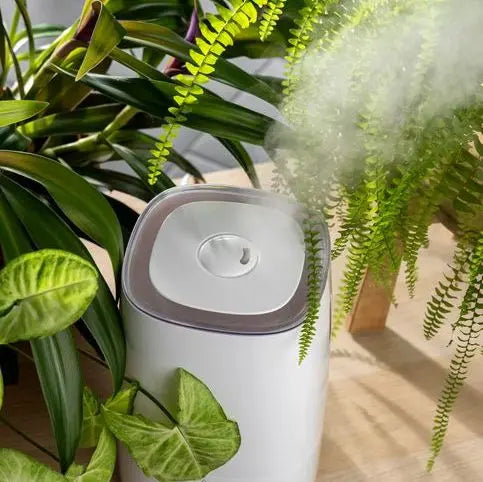



Cold-Air vs Water Diffusers: Which One Actually Makes Your Home Smell Like a Hotel?
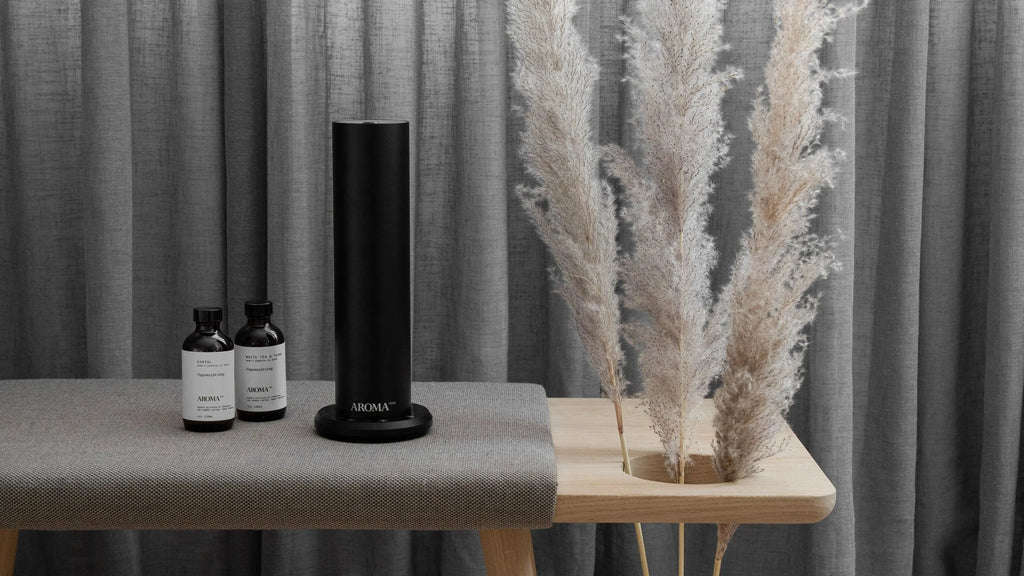
Cold-air diffusers atomise neat fragrance oil into a fine, dry mist using pressurised air — no water, no heat, no dilution. Ultrasonic (water) diffusers mix a few drops of oil into water and release a damp vapour. The difference you'll notice: cold-air diffusion delivers a stronger, longer-lasting, more consistent scent — the kind you walk into at a five-star hotel — with no dampness and no watered-down fragrance.
Why you can trust us:
- We specialise in cold-air (waterless) diffusion — the same technology used in five-star hotels
- Our fragrance oils are IFRA-compliant and formulated neat for cold-air nebulisation (no water, no dilution)
- We scent homes and businesses across Australia — from living rooms to car dealerships, gyms and hotels
Want your home to smell like a hotel? Explore our cold-air diffusers
Table of Contents
Cold-Air vs Water vs Reed: Side by Side
| Cold-air (nebulising) | Water / ultrasonic (mist) | Reed / heat | |
|---|---|---|---|
| How it works | Pressurised air atomises neat oil into a dry micro-mist | Vibrates water + a few oil drops into a damp vapour | Oil evaporates passively |
| Scent strength | Strong, room-filling | Light, localised | Faint |
| Longevity & consistency | Even, all-day; timer-controlled | Fades as water evaporates | Weakens quickly |
| Uses water? | No | Yes | No |
| Dilutes the oil? | No — full-strength fragrance | Yes — heavily diluted | N/A |
| Coverage | Whole-room / open-plan | Small rooms only | Very small |
| Dampness / mould risk | None (dry mist) | Yes — needs regular cleaning | None |
| Maintenance | Minimal — no water to refill | Frequent refills + descaling | Replace reeds / oil |
| Best for | Hotel-style, always-on luxury | Small room + added humidity | A decorative touch |
Why Cold-Air Wins for a Hotel-Quality Result
Hotels don't use water diffusers — and the reason is simple. Diluting oil in water weakens it. Cold-air nebulisation keeps the fragrance at full strength and disperses it as a dry mist that hangs in the air evenly, so the scent is the same when you walk in at 8am as it is at 8pm. No damp patches, no mineral scale, no "it faded after an hour."
For an open-plan home — where cooking, pets and everyday life compete — that consistency is the whole point.
When a Water Diffuser Does Make Sense
Being honest: if you're scenting a single small room and you actively want the extra humidity (say, a dry bedroom in winter), an ultrasonic diffuser can suit. Just expect a lighter scent, more frequent refills, and regular cleaning to avoid mould and mineral buildup.
Is Cold-Air Diffusion Safe Around Children and Pets?
Yes. Ascent Collection oils are IFRA-compliant and dispersed as a dry, cold mist — no heat, no water. As with any fragrance, use standard ventilation and follow the guidance for your space.
A note on pets: animals are more sensitive to fragrance than we are, so diffuse in well-ventilated rooms, always leave a door open so pets can move away, and keep the diffuser and oils out of reach. Cats and birds are especially sensitive to airborne fragrance — if you have either, or a pet with a respiratory condition, introduce scent gradually, check with your vet, and stop if you notice any discomfort.
Frequently Asked Questions
Do cold-air diffusers use water?
No. They atomise neat oil directly — nothing is added or diluted.
Why does cold-air scent last longer?
Because the oil isn't diluted in water. Full-strength fragrance is dispersed evenly and timer-controlled, rather than fading as water evaporates.
Will a cold-air diffuser make my room damp?
No — cold-air produces a dry micro-mist, so there's no dampness or mould risk.
Is it safe around kids and pets?
Yes, with standard ventilation — the oils are IFRA-compliant and diffused without heat or water.
Can I use my own essential oils?
We recommend using Ascent Collection oils. They're formulated at the correct viscosity for cold-air nebulisation, so they atomise cleanly and disperse evenly. Generic, water-based or pre-diluted oils can clog the mechanism and won't perform the same way.
Related post
16
Jul
03
Jun


02
Oct